
ADAS: how it works and why calibration is mandatory
Advanced Driver Assistance Systems (ADAS): How They Work and Why Calibration Is Necessary
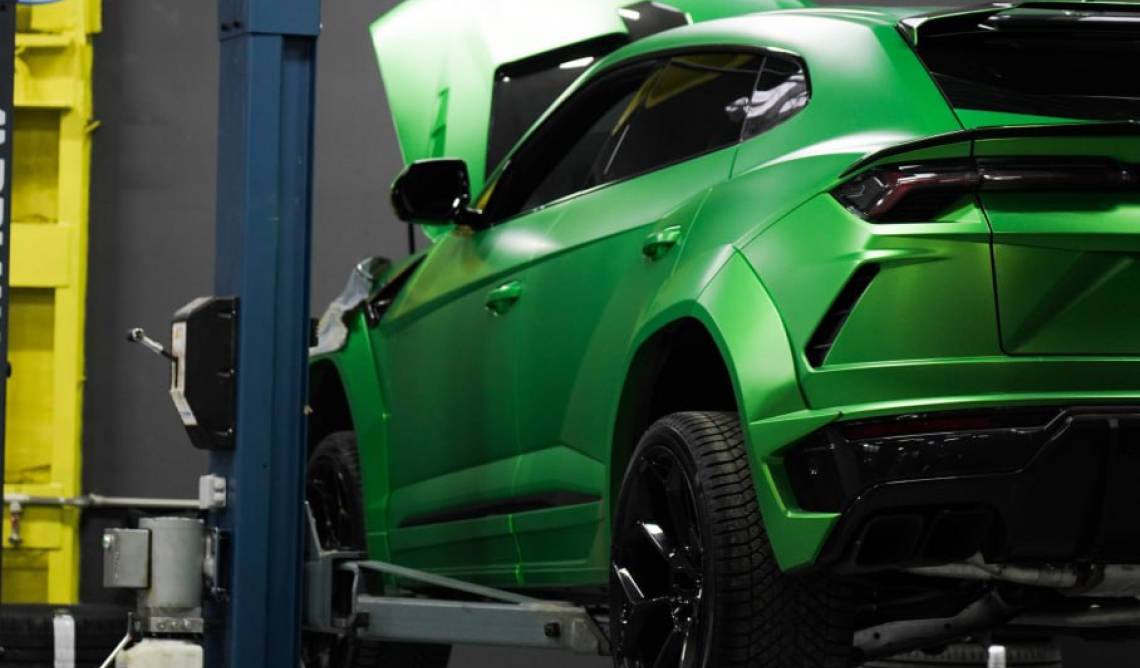
ADAS driver assistance systems have become standard for most modern cars. They work imperceptibly in the background, analyzing the road situation and helping the driver avoid mistakes that can lead to an accident. It is thanks to ADAS that the car can independently brake, stay in the lane or warn of danger before the driver notices it.
However, these systems are effective only under one condition - accurate adjustment and correct operation of all sensors. Uncalibrated or damaged ADAS elements not only lose their usefulness, but can also create false signals and dangerous situations on the road.
At Hunters Garage, we specialize in the repair and calibration of ADAS systems, as well as performing professional diagnostics of auto electrical systems, so we explain how these systems work and why their maintenance is mandatory.
What is ADAS and how do they work?
ADAS (Advanced Driver Assistance Systems) — is a complex of electronic systems that use cameras, radars, ultrasonic sensors and control units to analyze the road situation. The system constantly processes data and makes decisions in a fraction of a second, helping the driver to react faster or even intervening in driving the car.
The most common ADAS systems include:
- ABS — anti-lock braking system, which prevents the wheels from locking and maintains control during sudden braking
- ESP / ESC — stability control system, which detects skidding or sliding and brakes individual wheels
- Parking assistants — parking sensors and cameras (including 360°) that help avoid collisions at low speeds
- Lane Distance Control (LKA / LDW) — a system that monitors road markings and helps keep the car in its lane
- Automatic Emergency Braking (AEB) — recognizes cars, pedestrians or obstacles and can stop the car on its own
- Adaptive Cruise Control — maintains a set distance to the car in front and automatically adjusts speed
Why ADAS systems need calibration
ADAS systems work with very high precision. Cameras and radars are tuned to specific angles, distances and installation heights. Even a slight deviation — within 1-2 degrees — can dramatically affect their operation.
Without proper calibration, the following problems are possible:
- false system responses
- lack of reaction at a critical moment
- incorrect operation of adaptive cruise control
- incorrect determination of the distance to the car or obstacle
It is important to understand that ADAS calibration is not only necessary after an accident. There are a number of situations when the procedure is mandatory:
- replacing or repairing the windshield
- removing or replacing the bumper
- repairing the suspension or performing a camber-toe adjustment
- replacing the camera, radar, or control unit
- strong suspension shocks or regular vibrations on bad roads
Signs of improper ADAS operation
Problems with ADAS are not always obvious, but the car usually gives signals that should not be ignored. If at least one of the following symptoms is present, electronics diagnostics are recommended:
- warnings or errors on the dashboard
- the emergency braking system reacts late or for no reason
- adaptive cruise control works unstable
- parking sensors give chaotic signals
- the camera transmits a distorted image or the markings disappear
- the car steers too sharply on its own or does not react at all


