
Diesel or gasoline: which engine is better for a modern car?
When buying a car, one of the main questions is choosing its engine type. Which is better to choose, diesel or gasoline — this question has remained relevant for many years.
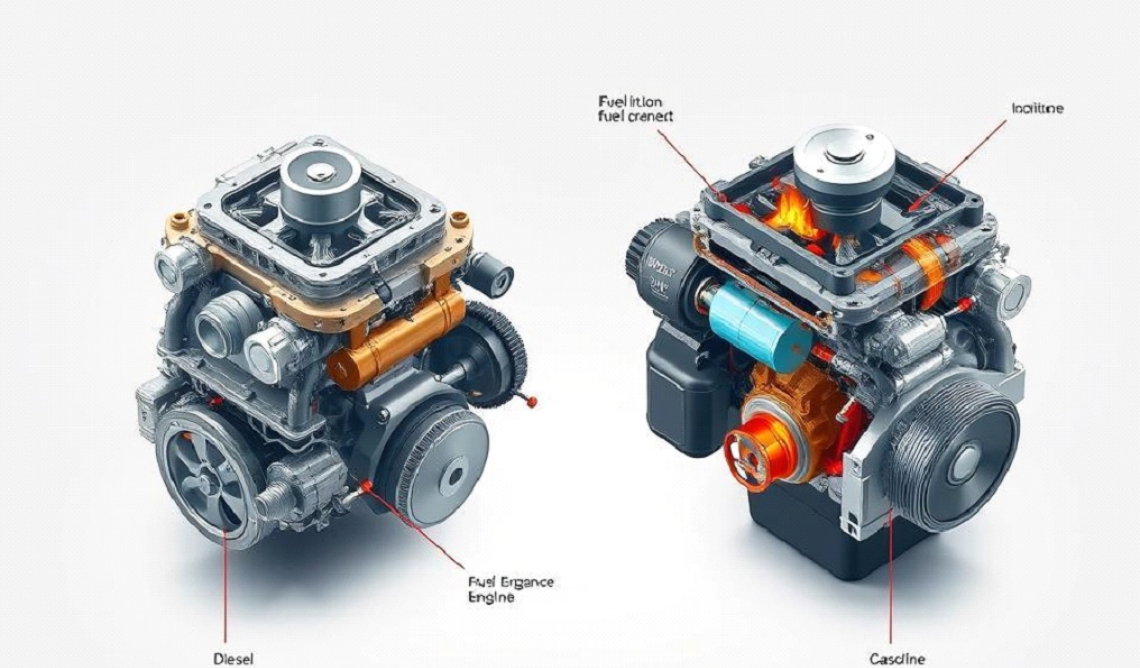
Each engine type has its own characteristics, advantages, and disadvantages, so there is no one-size-fits-all answer. To understand whether gasoline or diesel is better, it is worth comparing them based on their operating principles, running costs, comfort, and longevity.
What Is the Difference Between a Diesel and a Gasoline Engine
The main difference lies in how the fuel mixture is ignited. In a gasoline engine, fuel is mixed with air and ignited by an electrical spark from a spark plug. This design ensures smooth operation and quick RPM buildup.
A diesel engine works differently. The air in the cylinder is highly compressed, heating up to a high temperature, after which diesel fuel is injected and ignites spontaneously without the use of spark plugs. This is exactly why diesel engines have higher efficiency and lower fuel consumption.
Thus, the main differences in engines based on fuel type are:
- ignition principle;
- torque level;
- fuel consumption;
- maintenance cost;
- noise level;
- engine lifespan.
Advantages of a Gasoline Engine
Gasoline cars remain the most common among passenger vehicles. They are well-suited for daily city trips and do not require complex maintenance. Therefore, their main advantages include:
- lower initial cost of the vehicle;
- quiet and smooth engine operation;
- quick warm-up in winter;
- good dynamics at high RPMs;
- cheaper technical maintenance;
- the possibility of installing LPG (liquefied petroleum gas) equipment;
- lower sensitivity to low temperatures.
Along with this, gasoline engines also have their disadvantages:
- higher fuel consumption;
- lower torque;
- shorter engine lifespan compared to diesel;
- efficiency drops with high annual mileage.
Advantages of a Diesel Engine
Diesel cars are particularly popular among those who regularly travel long distances or frequently haul heavy loads. Their main advantages include:
- economical fuel consumption;
- high torque even at low RPMs;
- confident movement under load;
- long engine lifespan, provided it is maintained properly;
- high efficiency on the highway;
- lower fuel costs for the same mileage.
However, diesel also has certain downsides:
- higher price of the vehicle;
- more expensive maintenance of the fuel system;
- high requirements for diesel fuel quality;
- longer warm-up time in cold weather;
- higher level of noise and vibrations.
Comparative Table: Gasoline vs. Diesel
|
Criterion |
Gasoline Engine |
Diesel Engine |
|
Vehicle cost |
Lower |
Higher |
|
Fuel consumption |
Higher |
Lower |
|
Torque |
Average |
High |
|
Dynamics |
Better at high RPMs |
Better at low RPMs |
|
Noise level |
Lower |
Higher |
|
Maintenance |
More affordable |
More expensive |
|
Engine lifespan |
Shorter |
Longer |
|
Winter start |
Easy |
Can be more difficult |
|
Best suited for |
City, short trips |
Highway, high mileage |
Which Engine Is Better: Diesel or Gasoline
The answer depends on exactly how you use the car. A gasoline engine is the optimal choice if:
- annual mileage does not exceed 15,000–20,000 kilometers;
- the vehicle is used predominantly in the city;
- comfort, quiet operation, and inexpensive maintenance are important;
- the purchase budget is limited.
On the other hand, a vehicle with a diesel engine should be chosen if:
- the car travels more than 20,000 kilometers every year;
- you frequently drive on the highway;
- high pulling power is needed for transporting cargo or a trailer;
- fuel economy is of great importance.
What Is More Economical to Operate
Many drivers believe that diesel is always cheaper, but in reality, that is not entirely true. Although a diesel engine consumes less fuel, it is more expensive to repair and maintain. Fuel equipment, the turbocharger, injectors, or the particulate filter (DPF) can require significant expenditures after high mileage. Meanwhile, gasoline cars have a simpler design, so most repair works cost less. If the vehicle is used infrequently or primarily for city trips, the overall expenses can be even lower than those of a diesel.
What Is More Environmentally Friendly
Modern gasoline and diesel engines comply with strict environmental standards. It is true that diesel consumes less fuel and emits less carbon dioxide per kilometer. But at the same time, gasoline engines produce fewer particulate matters and run cleaner without complex exhaust gas purification systems. That is why both engine types have their own ecological features, and the level of harmful emissions depends heavily on the vehicle's technical condition and fuel quality.
Therefore, there is no definitive answer to the question of whether gasoline or diesel is better. If the car is used mainly for the city and short trips, it is more practical to choose a gasoline engine. If regular long-distance journeys and high annual mileages are planned, diesel will help save on fuel and provide better pulling power.
When deciding which engine is better, diesel or gasoline, you should consider not only the price of the car but also future expenses for fuel, maintenance, and repairs. Ultimately, it is the individual needs of the driver that determine which option becomes the most profitable in the long term.
And one more nuance. In reality, what matters is not only the choice of engine type but also its proper maintenance. If it is looked after by real professionals, any motor will be reliable, eco-friendly, and durable. Therefore, timely inspection and diagnostics are the main rules for taking care of a car of any type. Our specialists will perform comprehensive diagnostics and, if necessary, repair the fuel system to ensure your car's engine runs reliably and lasts as long as possible.


