
Car Air Conditioner Care
Recharging the air conditioner in a car is necessary to ensure the efficient operation of the cooling system in the cabin. The air conditioner in a car uses a refrigerant called freon, which is converted into a gas inside the system, taking heat from the air that passes through the evaporator.
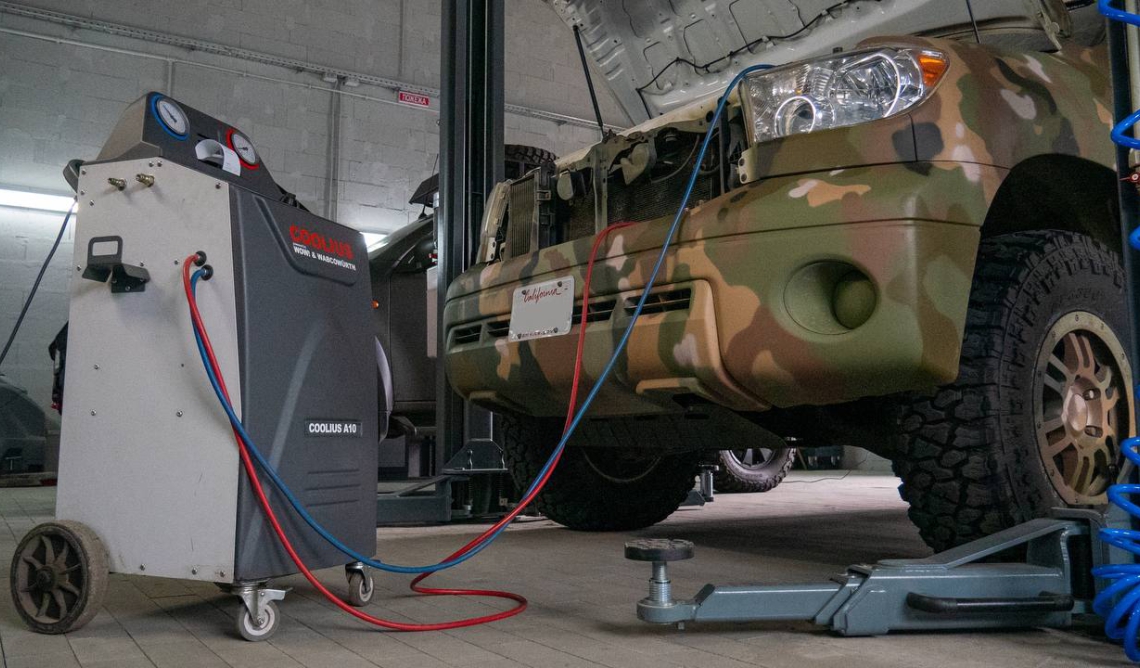
Recharging the air conditioner is necessary when there’s a lack of refrigerant or when the existing refrigerant isn't functioning properly. Without enough refrigerant, the AC might underperform or stop working altogether.
Regular recharging ensures efficient operation of the cooling system and passenger comfort during travel.
At Hunters Garage, we work with both types of refrigerants, depending on your vehicle's requirements: R-134a and R-1234yf.
Why Might a Car AC Stop Working?
-
Low Refrigerant Levels: Without enough refrigerant, the AC can’t cool the air properly.
-
Compressor Damage: The compressor is the heart of the AC system. If it fails, the AC won’t function.
-
Clogged Filters: Dirty filters block airflow, reducing efficiency.
-
Damaged Tubes or Hoses: Leaks prevent the system from maintaining pressure and performance.
Why Is My AC Blowing Hot Air?
-
Low Refrigerant
-
Faulty Compressor
-
Broken Thermostat
-
Clogged Filters
-
Electrical Issues
Signs Your AC Needs Repair
-
Air isn’t cool enough
-
Unpleasant odor
-
Loud noise or knocking
-
Water leakage
-
AC won’t turn on
How Often Should You Recharge Your AC?
The frequency depends on your car’s age, usage, system quality, and refrigerant type.
What Refrigerants Are Used in Cars?
-
R-134a: Most common today, environmentally friendly.
-
R-1234yf: More eco-friendly, used in newer models.
Hunters Garage supports both types.
Common AC Compressor Issues
-
Worn Bearings: Cause noise during operation.
-
Refrigerant Leaks: From damaged seals or cracks.
-
Broken Clutch: Prevents compressor engagement.
-
Blocked Vent Valves
-
Compressor Overload
How to Extend Your AC’s Life
-
Use the AC regularly
-
Change cabin filters on time
-
Monitor refrigerant levels
-
Don’t overuse the AC
-
Inspect for damage periodically
-
Park smartly—avoid extreme heat
What Should AC Pressures Be?
-
Low side: 25–45 psi (172–310 kPa)
-
High side: 150–300 psi (1034–2068 kPa)
Tools Needed for AC Service
-
Pressure gauges
-
Vacuum pump
-
Hose wrenches
-
Charging hoses
-
Leak detection lamps and fluids
-
Diagnostic scanner
-
Cleaning tools
-
Seal and O-ring replacement kits


