
How to pass a technical inspection: everything about the car's technical inspection
A vehicle inspection (commonly known as an MOT, technical inspection, or roadworthiness test) is a comprehensive check of a car's technical condition that determines its fitness for safe operation on the roads. In fact, it is a control stage that allows for detecting hidden malfunctions before they cause an accident or a serious breakdown.
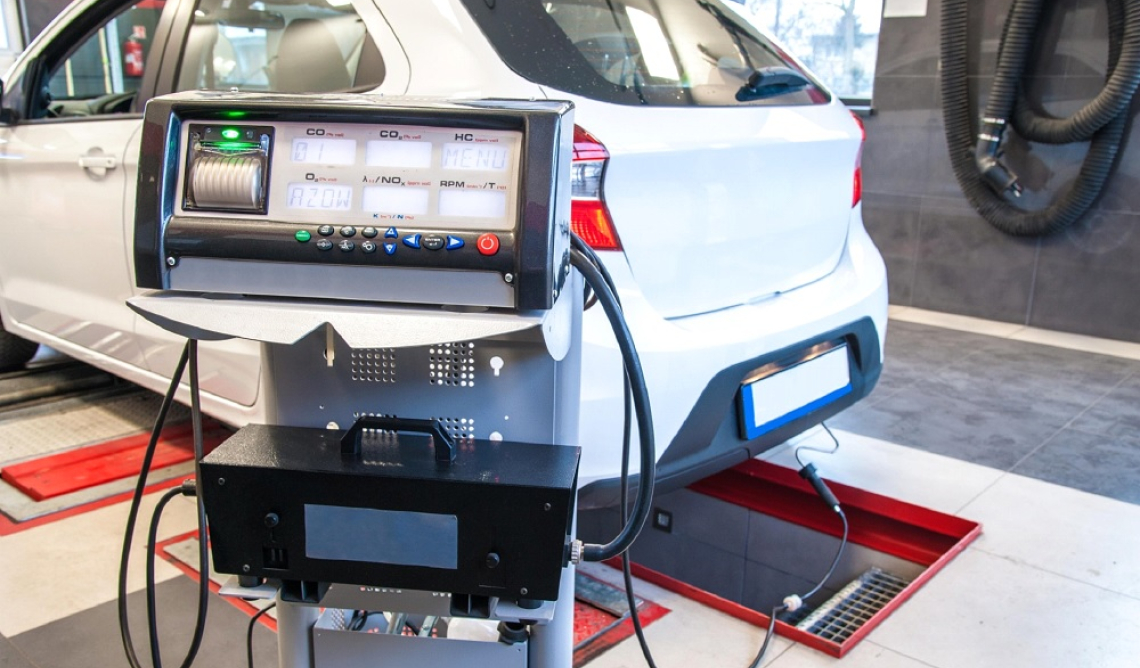
The main goal of a vehicle inspection is ensuring road safety. During the check, not only the condition of individual assemblies is evaluated, but also the overall stability of the vehicle under load, its handling, braking efficiency, and environmental performance.
How to Pass a Vehicle Inspection
The question of how to pass a vehicle inspection begins with proper preparation. Most problems due to which a car "fails" arise not from critical breakdowns, but from minor malfunctions that drivers usually simply ignore.
To avoid this, it is worth checking the main systems of the vehicle on your own in advance. First and foremost — the brakes, lighting, and suspension. It is these elements that affect safety the most and most frequently become the reason for failure.
Vehicle Inspection: Testing Stages
The vehicle inspection procedure consists of several stages that sequentially allow for evaluating the technical condition of the car. Usually, vehicle identification and a document check are performed first. Next, an expert carries out a visual inspection: evaluating the body, glass, mirrors, lighting equipment, and the general condition of the car.
After this, they proceed to technical diagnostics. The braking system, steering, suspension, tires, and exhaust system are checked. In modern cars, electronic safety systems are additionally tested.
Thus, the main assemblies checked during a vehicle inspection include:
- the braking system (efficiency, braking uniformity);
- the steering system (play/backlash, steering response);
- the suspension and shock absorbers (stability, absence of knocking noises);
- tires and wheels (wear, pressure, compliance);
- lighting equipment (headlights, turn signals, brake lights);
- the body and glass (damage, cracks, corrosion).
Most often, the causes of a failed vehicle inspection are:
- worn or faulty brakes;
- problems with the suspension or shock absorbers;
- malfunctioning headlights or signal lights;
- critical tire wear;
- fluid leaks;
- cracks or damage to the glass.
Therefore, it is worth paying attention to these shortcomings in time and eliminating them on your own even before taking the test.
How to Prepare a Car for a Vehicle Inspection
Car preparation is not just a formality, but a real opportunity to avoid a re-test. It is advisable to start with a comprehensive check at a service station, where hidden problems can be detected. The main procedures worth doing before a vehicle inspection include:
- checking the levels of engine oil, brake fluid, and coolant;
- ensuring all lighting devices are functioning properly;
- inspecting the condition of the tires and their pressure;
- checking the operation of the windshield wipers;
- eliminating fluid leaks or unusual noises in the suspension.
It is also worth remembering that during the inspection, the following are checked most thoroughly:
- braking efficiency on a roller test bench;
- the condition of the steering mechanism and suspension;
- lighting operation under different modes;
- compliance of tires with wear regulations;
- the general technical condition of the body and structural elements.
Therefore, maximum attention should be paid to these assemblies during preparation, and all possible defects should be promptly resolved.
Vehicle Inspection Result
Upon completion of the check, the vehicle receives an official report. If everything complies with the regulations, an operation permit is issued. If malfunctions are detected, a list of issues is generated that must be resolved before a re-inspection.
It is worth noting that in Ukraine, vehicle inspection is mandatory only for commercial transport (company cars, taxis, buses, etc.). However, one of the main conditions of the EU Association Agreement is the return of mandatory technical inspections for all types of vehicles. Therefore, information on how to pass a vehicle inspection will remain relevant for many years to come.
We invite you for professional vehicle maintenance. Our specialists will perform full diagnostics of the chassis, suspension, braking system, and other key assemblies. Timely maintenance will help prepare your car for inspection, avoid unexpected breakdowns, and increase road safety.
Questions and Answers
- Is it mandatory to prepare a car before a vehicle inspection?
Yes, a preliminary check significantly reduces the risk of failure.
- How long does a vehicle inspection take?
Usually from 30 minutes to 2 hours, depending on the condition of the vehicle.
- Why might a car fail the test?
Due to malfunctions in the brakes, suspension, lighting, or tires.
- Can a re-inspection be done immediately?
Yes, after the identified issues have been resolved.
- Is the car's electronics checked?
Yes, in modern vehicles, safety systems are checked if they are installed.


