
Catalytic converter in a car: what it is, how it works and when it needs diagnostics
A vehicle is equipped with many components that are responsible not only for comfort and performance but also for environmental safety. One of these elements is the catalytic converter. Many drivers have heard of it, but not everyone knows what a catalytic converter is and why its proper functioning directly affects engine performance.
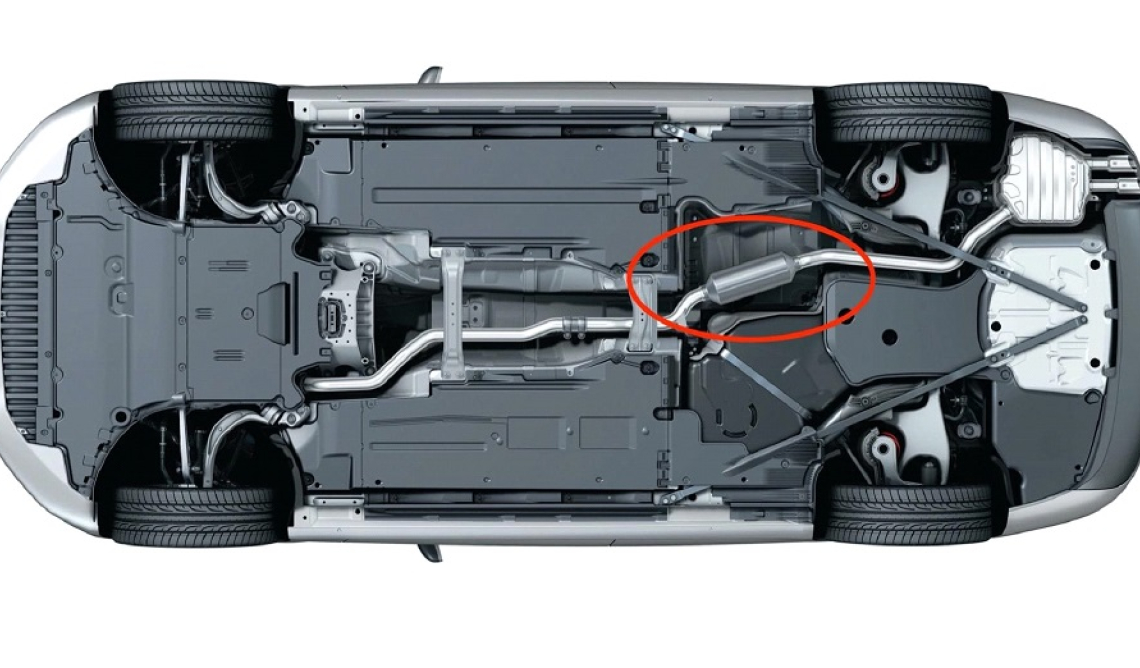
What Is a Catalytic Converter
A catalytic converter is a special device installed in a vehicle's exhaust system that cleans exhaust gases. Its main task is to reduce the amount of harmful substances released into the atmosphere after fuel combustion.
Inside the metal housing, there is a ceramic or metal block with a large number of small honeycombs. Their surface is coated with a thin layer of precious metals — platinum, palladium, and rhodium. These metals trigger chemical reactions, as a result of which carbon monoxide, nitrogen oxides, and unburnt hydrocarbons are converted into less harmful compounds.
Main Functions of a Catalytic Converter
Typically, a catalytic converter performs several important tasks at once:
- cleans exhaust gases from toxic substances;
- helps the vehicle comply with environmental regulations;
- contributes to stable engine operation;
- reduces the unpleasant odor of the exhaust;
- supports the correct operation of oxygen sensors (lambda sensors).
That is why the catalytic converter is an integral part of modern gasoline and diesel vehicles. Furthermore, its presence determines the vehicle's compliance with modern environmental requirements set by European legislation.
Why a Catalytic Converter Fails
Although this element is designed for a long service life, there are still several reasons that can significantly shorten its lifespan. The most common factors triggering premature destruction of the protective layer include:
- using low-quality fuel;
- engine misfires caused by faulty spark plugs or coils;
- engine oil or antifreeze entering the combustion chamber;
- mechanical impacts against road obstacles;
- constant engine overheating;
- prolonged operation of the vehicle without technical maintenance.
On average, a catalytic converter lasts between 100,000 and 200,000 kilometers of mileage; however, with proper care, its lifespan can be even longer.
Signs of a Malfunctioning Catalytic Converter
A catalytic converter breakdown does not always manifest itself immediately. However, there are several characteristic symptoms that should not be ignored. Among the main signs of a defect are:
- illumination of the Check Engine light;
- reduced engine power;
- sluggish vehicle acceleration;
- increased fuel consumption;
- unusual rattling or metallic clatter in the exhaust system;
- the appearance of a sharp, pungent odor from the exhaust gases.
If the catalytic converter is heavily clogged or damaged, exhaust gases pass through it with great resistance. This creates an additional load on the engine and can lead to a much more expensive repair of the entire fuel system.
Should You Remove the Catalytic Converter
Some car owners decide to remove the catalytic converter after it fails. However, this decision carries not only advantages but also significant disadvantages. After all, removing the catalytic converter leads to:
- increased exhaust toxicity;
- higher noise levels;
- potential errors in the electronic engine management system;
- the vehicle failing to comply with environmental standards.
That is why, before any repair, it is worth conducting professional diagnostics to determine the actual condition of the component.
How to Extend the Lifespan of a Catalytic Converter
To ensure the catalytic converter runs as long as possible, it is enough to follow a few simple recommendations:
- refuel the vehicle with high-quality fuel;
- replace spark plugs in a timely manner;
- monitor the proper condition of the fuel system;
- do not ignore error lights on the instrument panel;
- undergo regular technical maintenance.
Prevention is almost always cheaper than replacing expensive exhaust system elements. After all, a properly functioning catalytic converter not only cleans exhaust gases but also helps the engine run efficiently, preserving its overall lifespan.
If your Check Engine light has come on, the vehicle has lost power, or fuel consumption has increased, do not delay the inspection. We invite you for a computer car diagnostics appointment, where our specialists will quickly determine the condition of the catalytic converter, read error codes, and help find the optimal solution for the safe and reliable operation of your vehicle.

