
Proper Driver Positioning Is Crucial for Safety
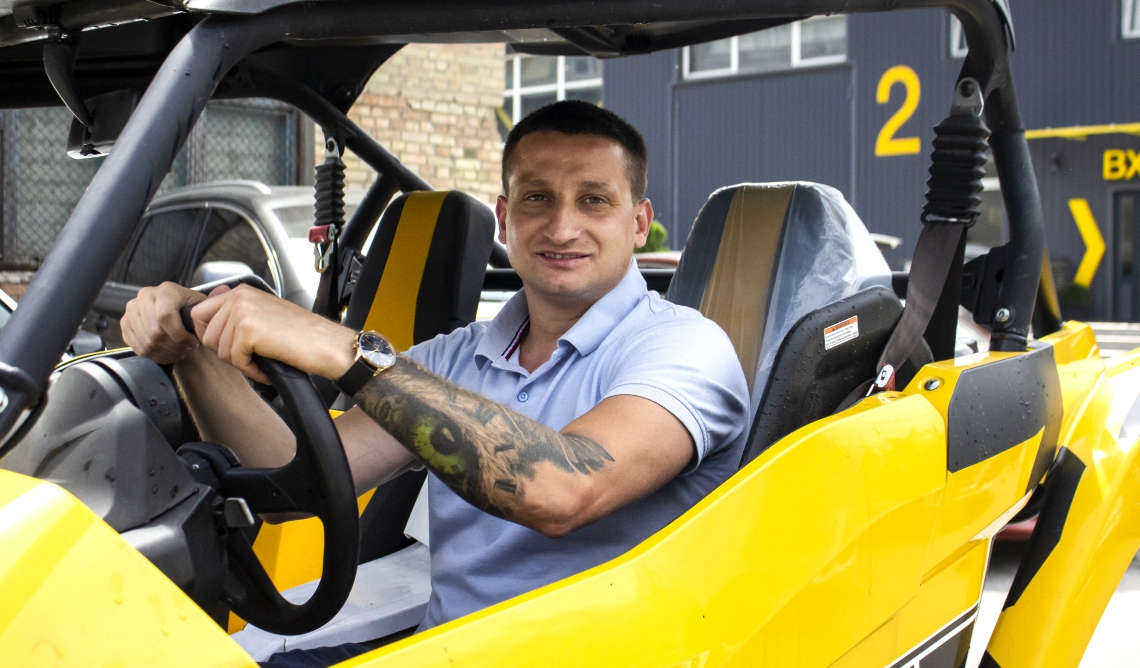
Tips from Vadym Piatetskyi, automotive expert, on safe and comfortable seating behind the wheel:
☝️ Sit as upright as possible. There are three reasons not to "recline" too far. Besides better visibility and control, the seatbelt cannot properly restrain you if there’s a gap between your body and the belt—this may cause the body to slip underneath (known as the "submarine effect"), which can result in the belt pressing on the neck and causing strangulation.
☝️ Seat distance rule: Your legs should never be fully extended, even when the pedal is fully pressed. Knees should remain slightly bent to reduce risk of knee injuries during impact.
☝️ Steering wheel grip: Avoid locking your elbows. The correct grip is at the “9 and 3” position. This gives the widest range of motion and is supported by modern steering wheel shapes with grooves and pads. It’s also safer—airbags are designed to push hands away into the side gaps.
☝️ Distance from the wheel and airbags: Stay at a safe distance from the steering wheel. Airbags should not contact the body during inflation or at maximum expansion.
☝️ Perfect seat-to-wheel distance test: With your back and shoulders resting comfortably against the seatback, extend your arm—the wrist should rest on top of the wheel. In the “9 and 3” grip, elbows should remain bent. Balance this with proper leg bend—it’s always a compromise based on body proportions.
☝️ Headrest adjustment: The top of the headrest should be level with the top of your head. It should never be lower than the ear lobe.
☝️ Seat height: There should be at least a fist’s space between your head and the roof to reduce upper spine injury risk.


