
What is a spar in a car: purpose, signs of damage and features of repair
A vehicle's structural design consists of many elements, each performing an important function. One of the most critical components is the side member (often referred to as a frame rail or longitudinal member). It ensures body rigidity, evenly distributes loads, and helps protect the driver and passengers during a road traffic accident.
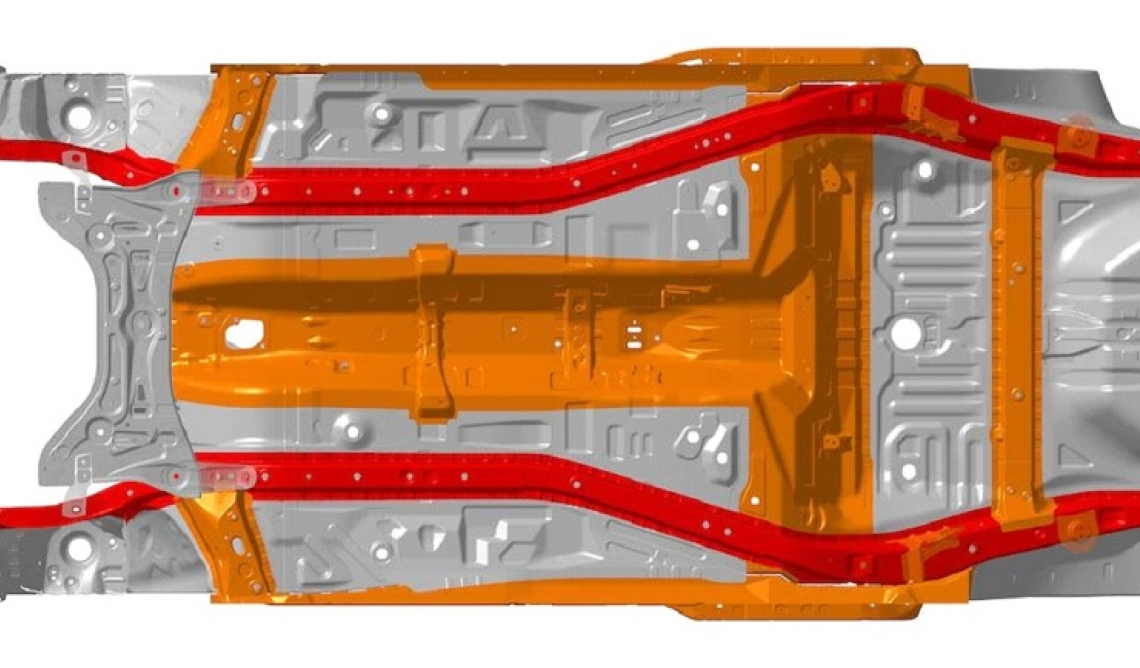
Despite the importance of this part, not every driver knows what a side member in a car is, where it is located, and why damage to it is considered critical.
Side Member: What Is It
A side member is a structural element of a vehicle's body or frame that runs along the vehicle and forms its load-bearing structure. Most passenger cars use two side members located on both sides of the underbody. They are typically made of high-strength steel, though in certain models, they can be made of aluminum or another light alloy. The structure features a box-section profile, which provides high rigidity with relatively low weight.
Crucial vehicle components are attached to the side members:
- the engine;
- the suspension;
- the steering mechanism;
- the gearbox;
- certain body elements;
- auxiliary structural configurations.
That is why any violation of their integrity or even slight deformation can negatively affect the safety and handling of the vehicle.
What Functions Does a Side Member Perform?
Side members operate under constant load throughout the entire lifespan of the vehicle. They ensure the proper distribution of forces that arise during driving, acceleration, braking, and cornering. Therefore, the primary functions of side members include:
- ensuring body rigidity;
- maintaining proper vehicle geometry;
- mounting components and assemblies;
- absorbing a portion of the energy during a collision;
- reducing cabin deformation during an accident;
- evenly distributing loads between body elements.
It is thanks to these components that modern vehicles achieve high strength without relying on a heavy, traditional frame.
Where Are the Side Members Located?
To answer the question of what a side member in a car is, it is important to understand exactly where it is located and what functions it performs. In passenger cars, side members are usually hidden beneath the underbody. They run along the vehicle from the front to the rear and are connected by crossmembers that further reinforce the structure. Depending on the vehicle model, they can take various shapes:
- straight horizontal;
- curved;
- vertical;
- angled.
The design is chosen by the manufacturer, taking into account the specifics of the car body and safety requirements.
Side Member Damage: Causes and Consequences
A damaged side member means that the vehicle no longer possesses the structural strength built in by the manufacturer. Even after a minor accident, the body geometry may change, even if it remains almost unnoticeable from the outside. The main consequences of deformation are:
- worsened handling;
- incorrect suspension operation;
- difficulty adjusting wheel alignment;
- uneven tire wear;
- the appearance of unusual noises;
- reduced safety levels in a subsequent collision.
Hidden damages are particularly dangerous, as they cannot be detected without professional diagnostics.
Main Causes of Damage
Most often, side members deform due to severe mechanical stresses. The main causes include:
- road traffic accidents;
- impacts against curbs or large obstacles;
- regular driving on poor roads;
- severe metal corrosion;
- overloading the vehicle;
- prolonged natural wear and tear of the structure.
Sometimes, even a minor collision at a speed of 20–30 km/h can cause hidden deformation of the structural elements. Therefore, after an accident, it is crucial to perform a timely comprehensive diagnostic check of all vehicle systems and correct any issues.
How to Tell if a Side Member Is Damaged
The problem is not always immediately apparent. However, there are a number of signs that may indicate a violation of the body geometry. Among the most common symptoms are:
- the vehicle pulls to one side;
- the steering wheel is off-center after alignment adjustments;
- tires wear out unevenly;
- doors or the trunk close with effort;
- new gaps have appeared between body panels;
- knocking or squeaking sounds are heard while driving;
- the vehicle behaves unstably at high speeds.
If at least one of these symptoms appears, a comprehensive body check should be performed.
Repair Specifics
The feasibility of repairing a side member depends on the nature of the damage. For minor deformations, the following methods are applied:
- restoring geometry on a frame machine (frame straightener);
- panel beating/straightening;
- local welding of cracks;
- reinforcing specific areas.
If the metal is severely deformed or has lost its structural integrity, partial or complete replacement of the component may be required.
It is worth remembering that all work must be performed using professional equipment, as even a minor mistake during body geometry restoration affects the subsequent operation of the vehicle.
How to Extend the Service Life of Side Members
It is impossible to completely prevent wear on a side member, but proper care will significantly extend the lifespan of the structure. For this, it is recommended to:
- regularly inspect the underbody of the car;
- eliminate signs of corrosion in a timely manner;
- avoid overloading the vehicle;
- avoid severe impacts to the suspension;
- have the body geometry checked after any accident;
- perform regular diagnostics of the running gear.
Prevention is significantly cheaper than complex body repairs following serious damage.
If your vehicle has been in an accident, has handling issues, or you have noticed signs of body geometry violation, do not delay your visit to the service shop. We invite you for professional diagnostics and running gear repair. Our specialists will check the condition of the body, suspension, and structural elements, identify any hidden damage, and perform high-quality repairs to ensure your car is safe and reliable on the road once again.


