Types of gasoline: what brands of gasoline are available to drivers in Ukraine and how do they differ?
Gasoline is an affordable source of energy for millions of cars in Ukraine and around the world. Every day, drivers pull into gas stations and see the familiar labels A-92, A-95, A-98, or A-100, yet not everyone stops to think about what lies behind these numbers.
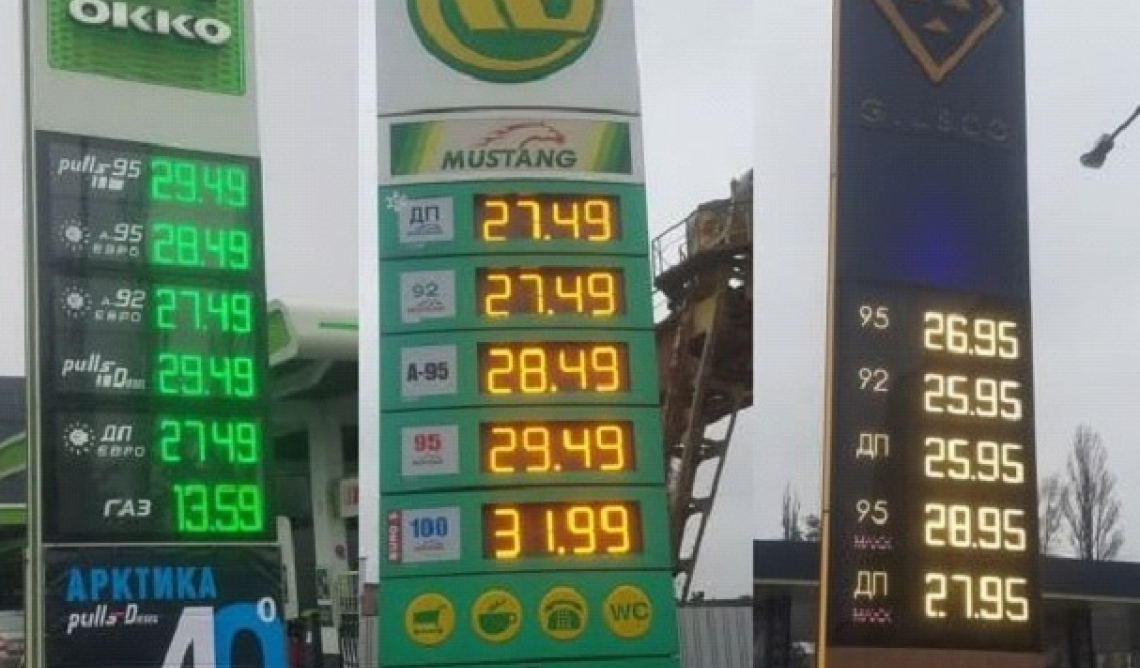
In reality, a vehicle's dynamics, fuel consumption, eco-friendliness, and engine longevity all depend on choosing the right fuel. The fuel market offers various types of gasoline, which differ in their characteristics, composition, and scope of application. To avoid making a mistake at the pump, it is important to understand what gasoline is, how fuel grades are determined, and which gasoline grades are most commonly used in Ukraine.
What Is Gasoline
Gasoline is a liquid fuel obtained through the petroleum refining process. It consists of a mixture of hydrocarbons and special additives that enhance its properties. The primary purpose of gasoline is to form an air-fuel mixture that combusts inside the engine cylinders, converting thermal energy into mechanical energy. Therefore, the main functions of gasoline include:
- ensuring stable engine operation;
- forming the air-fuel mixture;
- transferring energy to move the vehicle;
- protecting fuel system components (thanks to special additives);
- reducing the risk of deposit build-up in the engine.
At first glance, it might seem like all gasoline is the same. In reality, it is not. Different grades have different knock resistance ratings and can also contain special additives that clean the fuel system, protect the engine from corrosion, and improve the combustion process.
Why the Octane Rating Matters
The primary characteristic of any gasoline is its octane rating. It indicates how resistant the fuel is to knocking (a reaction that occurs when the fuel mixture ignites prematurely or unevenly). As a result, shock loads occur inside the cylinders, which negatively affect the pistons, valves, and other engine components.
A high octane rating in gasoline provides:
- stable combustion of the fuel mixture;
- engine protection against knocking;
- efficient performance under load;
- better vehicle dynamics;
- a longer lifespan for the powertrain.
Usually, the number following the letter in the gasoline label represents its octane rating. For instance, A-95 has an octane rating of no less than 95 units.
How Fuel Grading Is Decoded
Many drivers regularly see the labeling on fuel dispensers but do not always know what it means.
The designation is decoded as follows:
- A — indicates automotive gasoline;
- 92, 95, 98, or 100 — the actual octane rating of the fuel (determined by the Research Method, often indicated as RON).
This is why different gasoline grades in Ukraine have different purposes and are recommended for different types of engines.
Gasoline Grades in Ukraine
Today, you can find several main types of gasoline at Ukrainian gas stations. Each of them is designed for specific engine types and operating conditions.
A-92 Gasoline
Just a few years ago, A-92 was one of the most common types of fuel. Today, its market share is gradually shrinking; however, it remains available at many gas stations.
A-92 gasoline is most often suitable for:
- older generation vehicles;
- engines with a low compression ratio;
- budget models for which the manufacturer permits the use of this fuel;
- vehicles without complex exhaust gas purification systems.
For modern vehicles, using A-92 can lead to:
- reduced engine power;
- increased fuel consumption;
- worsened dynamics;
- increased load on the engine management system.
Therefore, filling a modern car with A-92 gasoline is not recommended, as it will significantly increase vehicle maintenance costs.
A-95 Gasoline
When it comes to the most popular gasoline grade in Ukraine, A-95 is the undisputed leader. Most modern gasoline engines are designed precisely for it. The advantages of A-95 gasoline include:
- optimal knock resistance;
- stable engine operation;
- good fuel economy;
- compliance with modern environmental standards;
- availability at virtually all gas stations across the country.
This type of fuel is most commonly used by:
- passenger cars;
- crossovers;
- most modern turbocharged engines;
- hybrid vehicles with gasoline engines.
A-95 Premium (With Performance Additives)
A separate category consists of A-95 gasoline with additional additive packages. Different gas station chains offer it under their own commercial brand names. This fuel provides:
- fuel injector cleaning;
- reduced carbon buildup;
- fuel system protection;
- improved combustion process;
- lower risk of deposit formation.
This kind of gasoline is often chosen by owners of high-mileage cars, modern turbo engines, premium vehicles, or vehicles operated under intensive driving conditions.
A-98 Gasoline
A-98 gasoline belongs to the high-octane fuel category. It is used in vehicles with powerful engines, high compression ratios, or sports tuning. The main advantages of A-98 gasoline are considered to be:
- high resistance to knocking;
- stable performance under high loads;
- the ability to fully unlock the potential of a powerful engine;
- enhanced combustion characteristics.
It is typically used by owners of sports cars, premium models with powerful turbocharged engines, and certain newer European vehicles.
A-100 Gasoline
In recent years, more and more Ukrainian gas stations have started offering A-100 gasoline. This is one of the most advanced types of gasoline, characterized by extremely high knock resistance. Its benefits include:
- maximum protection against knocking;
- stable performance at high RPMs;
- high-quality components;
- efficient operation of powerful engines.
This type of fuel is most often selected by car enthusiasts who prefer to use top-tier fuel.
Gasoline with Bioethanol Blend
Fuel containing bioethanol deserves a separate mention. Its share in the Ukrainian market is gradually growing due to environmental regulations and the drive to reduce dependence on traditional petroleum products.
There are 3 main types of this fuel available on the Ukrainian market:
- E5 — this blend contains up to 5% bioethanol.
- E10 — the share of bioethanol in the blend is up to 10%.
- Special blends with an increased content of alcohol components.
The benefits of such fuel are quite significant. Specifically, they include:
- an increased octane rating;
- a reduction in harmful emissions;
- lower dependence on petroleum raw materials;
- improved environmental performance of transportation.
How to Choose the Right Fuel Type
When choosing gasoline, your primary guide should always be the vehicle manufacturer's recommendations. Before fueling up, it is advisable to consider:
- the recommended octane rating;
- the vehicle's year of manufacture;
- the engine type;
- the presence of a turbocharger;
- the operating conditions of the vehicle.
At the same time, it is not recommended to:
- constantly use gasoline with a lower octane rating;
- mix different types of fuel unnecessarily;
- refuel at questionable gas stations;
- focus solely on the lowest price.
The correctly selected grade of fuel allows the engine to run efficiently, ensures optimal gasoline consumption, and helps prevent premature wear of critical components. That is why knowing about fuel types, gasoline grades in Ukraine, and the specifics of each fuel type is essential for every driver.
If you want to make absolutely sure that your choice of gasoline is correct, book a car diagnostics appointment with us. Our specialists will quickly inspect your car's fuel system for deposits and other faults and, if necessary, help you choose the optimal gasoline grade.