
Engine structure: what it consists of and how an internal combustion engine works
An internal combustion engine (ICE) is the main powertrain of a vehicle that converts fuel energy into mechanical work. It is thanks to the engine that a car starts moving, gains speed, and maintains the required power while driving.
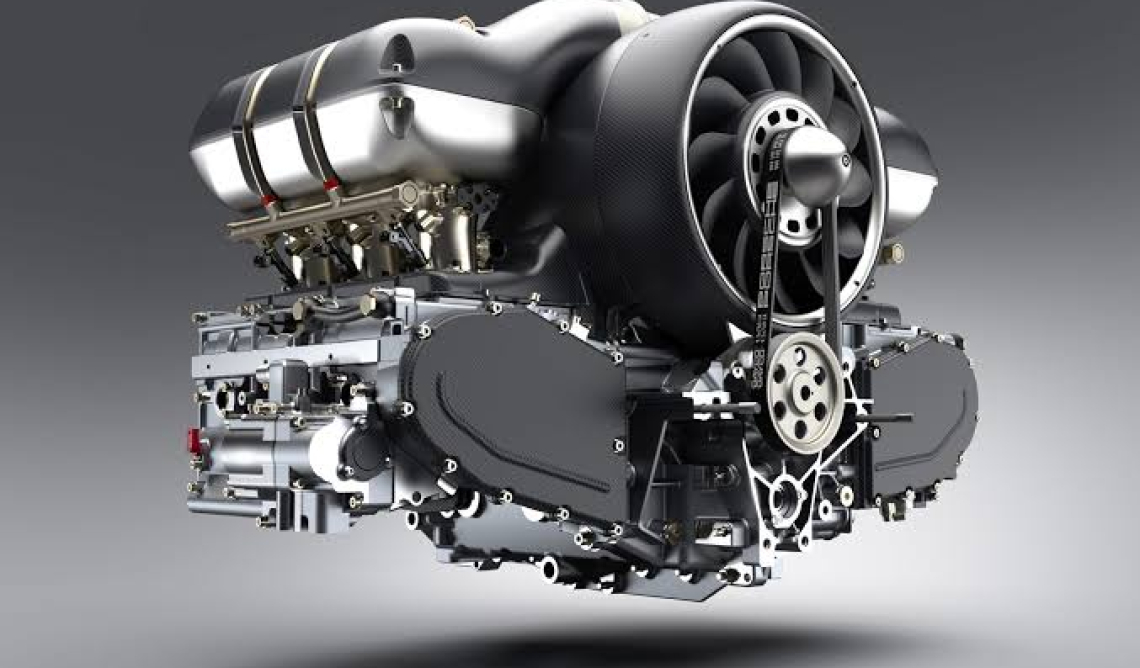
Despite its complex design, its operating principle has remained unchanged for over a century. However, modern technologies have still transformed engines into more economical, powerful, and reliable units.
Understanding the engine structure helps to better monitor the technical condition of the vehicle, detect malfunctions in a timely manner, and properly care for the powertrain.
Structure of an Internal Combustion Engine
The structure of an internal combustion engine is quite complex and multi-component. It consists of a mechanical part and several auxiliary systems that work as a single mechanism. Each assembly performs its own task, and even a minor malfunction of one element can affect the operation of the entire motor. The main structural elements are:
- the cylinder block;
- the cylinder head;
- pistons;
- connecting rods;
- the crankshaft;
- the camshaft;
- valves;
- the timing belt or chain;
- the engine crankcase (oil pan).
It is these parts that form the basis that ensures the proper operation of the powertrain.
What an Engine Consists Of
Many drivers are interested in what a modern car engine consists of. In addition to the main mechanical parts, the motor contains several important systems without which its operation would be impossible. These include:
- the fuel system;
- the ignition system (for gasoline engines);
- the air intake system;
- the exhaust system;
- the lubrication system;
- the cooling system;
- the electronic engine control unit (ECU).
Each of these systems is responsible for a separate process, such as fuel delivery, heat dissipation, lubrication of moving parts, or electronic control of engine operation.
Engine Structure: Core Mechanisms
The engine structure involves the interaction of two main mechanisms: the crank mechanism and the valve timing mechanism.
Crank Mechanism
Its main task is to convert the reciprocating motion of the pistons into the rotation of the crankshaft. This process ensures the transmission of torque to the vehicle's drivetrain. This mechanism includes:
- pistons;
- piston rings;
- gudgeon pins (piston pins);
- connecting rods;
- the crankshaft;
- the flywheel.
Valve Timing Mechanism
The valve timing mechanism is responsible for the timely opening and closing of the valves. It includes:
- the camshaft;
- intake valves;
- the exhaust valves;
- valve springs;
- the timing belt or chain.
Thanks to the precise operation of this mechanism, the air-fuel mixture enters the cylinders at the right moment, and the exhaust gases leave the combustion chamber in a timely manner.
How an Internal Combustion Engine Works
To understand how an internal combustion engine works, it is enough to examine the classic four-stroke cycle. It repeats hundreds of times per minute while the engine is running.
- Intake. The piston moves down, the intake valve opens, and air or an air-fuel mixture enters the cylinder.
- Compression. The piston moves up and compresses the mixture. This significantly increases the temperature and pressure inside the cylinder.
- Power Stroke. In a gasoline engine, a spark plug creates a spark that ignites the mixture. In a diesel engine, the fuel ignites spontaneously due to the high temperature of the compressed air. The explosive energy pushes the piston down, forcing the crankshaft to rotate.
- Exhaust. After the power stroke is completed, the exhaust valve opens. The piston moves up and pushes the exhaust gases out into the exhaust system.
After this, the cycle repeats again.
Operating Principle of an Internal Combustion Engine
The operating principle of an internal combustion engine is based on converting the thermal energy generated during fuel combustion into mechanical energy. The sequence of this process step-by-step looks like this:
- Air or a fuel mixture enters the cylinder.
- The mixture is compressed by the piston.
- Ignition occurs.
- The resulting gases press on the piston.
- The crankshaft receives rotational motion.
- Torque is transmitted through the drivetrain to the vehicle's wheels.
This is exactly how the vehicle begins to move and also receives the necessary power for high-speed driving.
How Gasoline and Diesel Engines Differ
The design of a gasoline and diesel engine is largely identical; however, the principle of fuel ignition has significant differences.
|
Characteristic |
Gasoline Engine |
Diesel Engine |
|
Ignition principle |
Ignition of the air-fuel mixture by a spark plug |
Spontaneous ignition of fuel from the high temperature of compressed air |
|
Fuel |
Gasoline |
Diesel fuel |
|
Compression ratio |
Lower |
Higher |
|
Fuel consumption |
Usually higher |
More economical, especially over long distances |
|
Torque |
Higher at high RPMs |
High already at low RPMs |
|
Power |
Revving up better, provides dynamic acceleration |
Provides confident pulling power under load |
|
Noise level |
Runs quieter |
Runs louder due to fuel combustion specifics |
|
Maintenance cost |
Usually lower |
Often higher due to a more complex fuel system |
|
Engine lifespan |
High under the condition of proper maintenance |
Often longer due to a sturdier design |
|
Best suited for |
City operation and short trips |
Long journeys, cargo transportation, and high annual mileage |
Why Regular Engine Maintenance Is Crucial
Even the most reliable engine requires regular technical maintenance. Timely replacement of motor oil, filters, coolant, and diagnostics help prevent expensive repairs. Engine malfunctions can be indicated by:
- unusual noises;
- increased fuel consumption;
- loss of power;
- blue or black smoke from the exhaust pipe;
- engine overheating;
- difficult starting.
Ignoring these symptoms can lead to serious damage to the powertrain.
Engine Diagnostics and Repair
If the engine runs unstably, its power has decreased, or unusual sounds have appeared, do not delay your visit to the auto service shop. Professional diagnostics will allow you to quickly determine the cause of the malfunction and prevent expensive repairs. Our specialists will perform a comprehensive check of all engine systems, carry out the necessary repairs, and help restore reliability and efficiency to your vehicle. Book an engine diagnostics and repair appointment today to avoid serious breakdowns in the future.


